
Municipal Museum
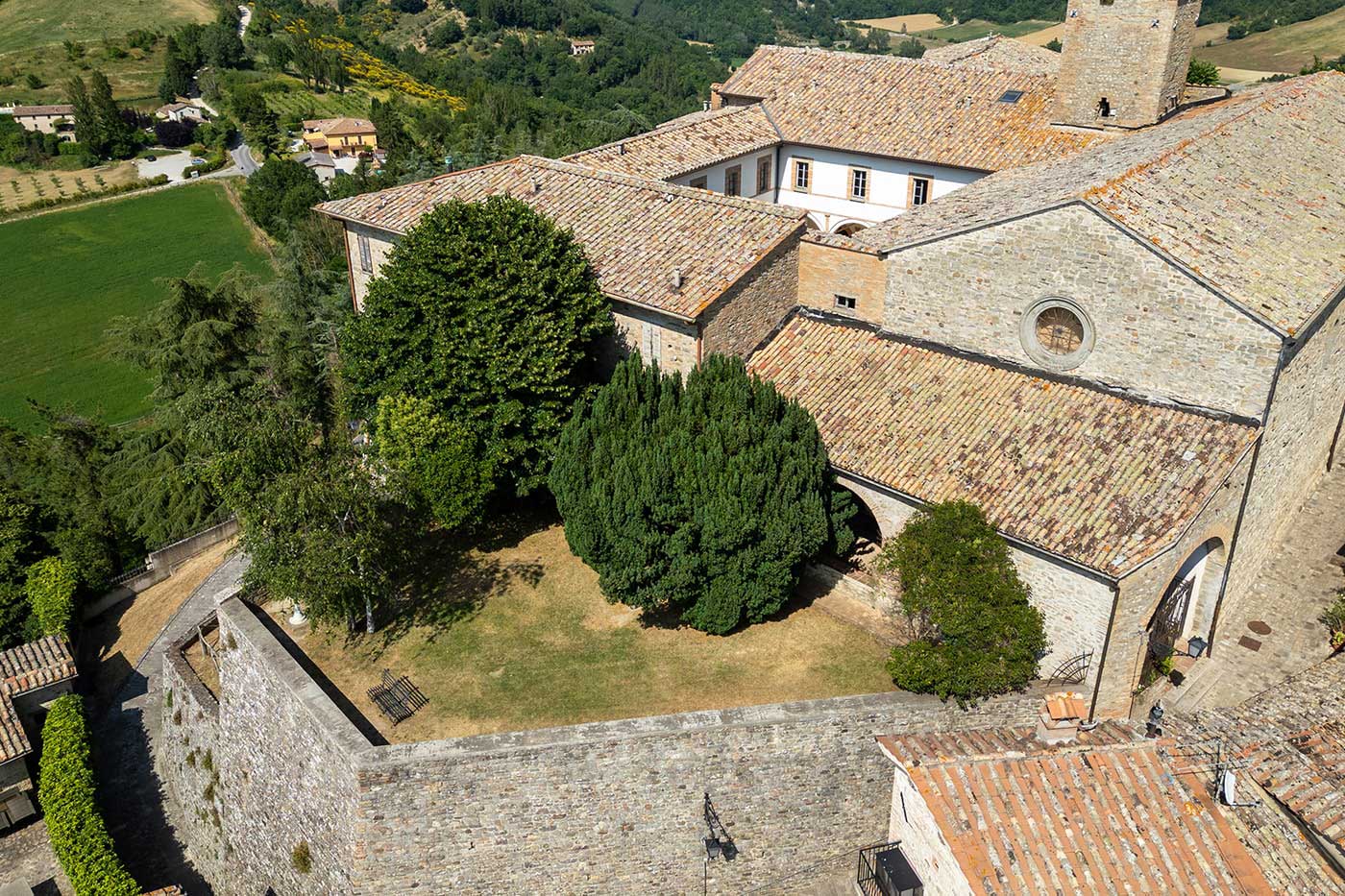
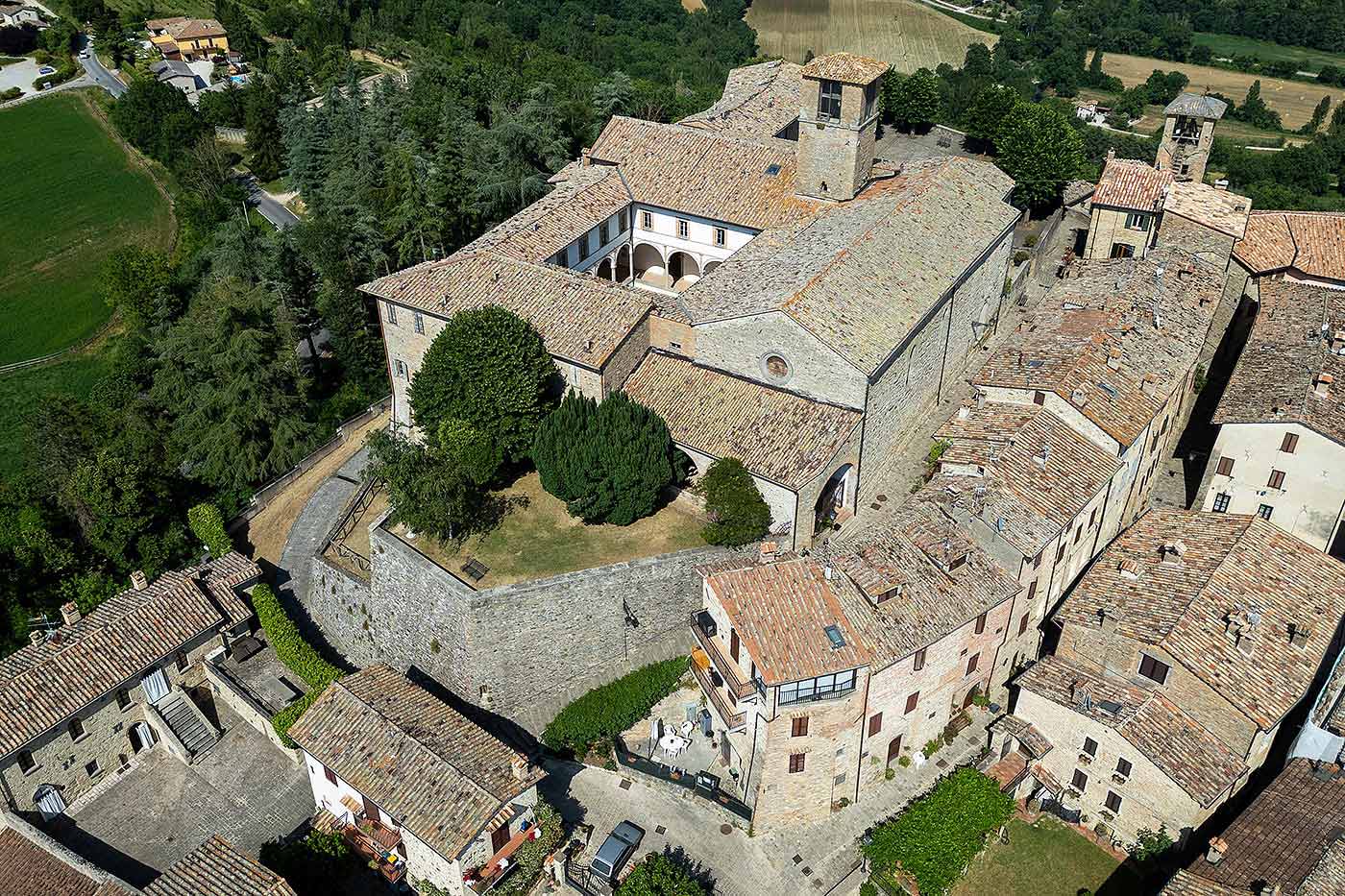
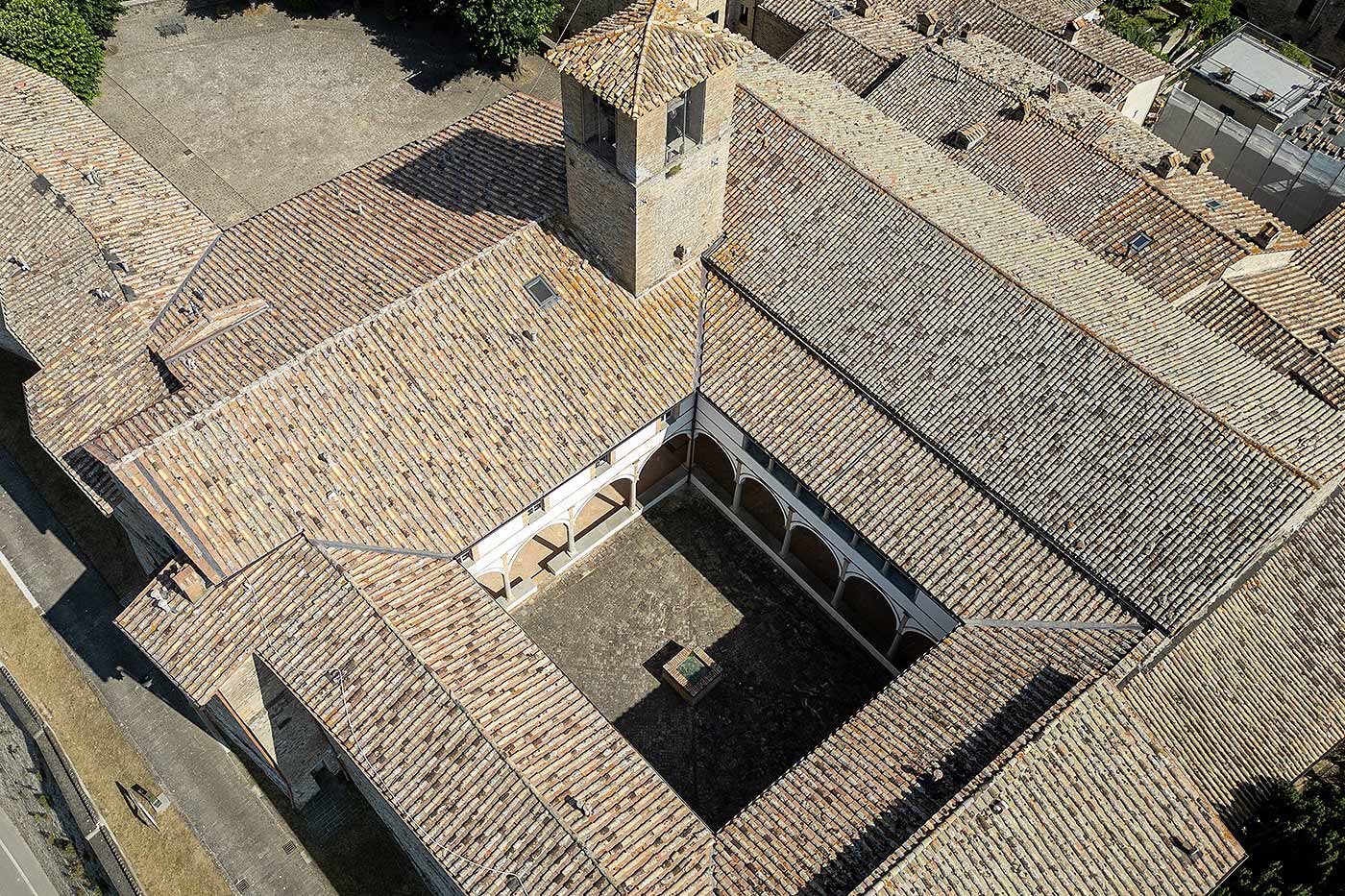
Since 1995, the convent of San Francesco together with the church have formed the municipal museum.
The convent was built at the beginning of the 15th century on the north side of the church and at the same time, probably on the ruins of the Castel Vecchio. The oldest part of the building is located transversally to the church, in line with the massive bell tower. In 1473, Pope Sixtus IV, who had been Minister General of the Order of the Friars Minor, issued a brief decree allowing convents to sell property and land received as gifts in order to carry out necessary work to improve the appearance of their buildings. As a result, large sums of money from the sale of some houses and land, together with donations from various benefactors, led to major modernisation work on the convent at the turn of the 15th century. Starting with the sacristy of the church, the water conduit to the cistern, the dormitory and other areas, the work was completed during the first half of the 16th century with the construction of the new cloister.
Two halls and two wings of the cloistered structure house the municipal art gallery. The collection consists of paintings, sculptures, silverware and textiles from the town’s churches.
Among the works preserved here, the wooden Deposizione from the Parish Church of San Gregorio Magno, and the Madonna della Misericordia by Bartolomeo Caporali are particularly noteworthy.
Due to the small number of surviving examples, and because it is the oldest figurative testimony of Montonese artistic heritage, the wooden Deposizione, dating from the second half of the 13th century, is the most interesting work preserved in the museum.
With connections to the Benedictine devotion that had been practised in the Montone area since at least the 11th century, like other similar monastic groups, it was kept in the ancient parish church.
The Deposizione did not have a strictly decorative function. It was not always on display for the devotion of the faithful, but kept in the altar it was used in Good Friday ceremonies, in processions and played a dramatic role in sacred performances that took place both inside and outside churches. It shows influences of Tuscany and Marche, the result of knowledge-sharing among craftsmen along the communication routes between Arezzo and the Adriatic side of the Apennines, which wind through the Tiber valley around Città di Castello.
The wooden polyptych has been damaged by fire with multiple alterations and restoration over time to adapt it to different requirements. These include being clothed on special occasions, a tradition that continued until the 1950s.
The restoration of the wooden polyptych has made it possible to date the work to between 1260 and 1270.
The altar in San Francesco, dedicated to Mary and commissioned by the community in 1471, housed the large canvas of the Madonna della Misericordia or the ‘Gonfalone’ from 1482.
Painted by Bartolomeo Caporali, it depicts Mary protecting the population and the city from the arrows of the Almighty with her mantle. Around the Virgin are the patron saints of the city and other saints. Beneath the mantle, is a crowd of people in a semicircle. At her feet is a faithful reproduction of the town before the destruction of the fortress while at the bottom.
Death flees with his long scythe.
Although the composition is traditional, the work marks the Renaissance turning point in Caporali’s career, reflecting his experiences in Florence and his encounter with the young generation of Perugian painters, particularly Pinturicchio. All this is evident in his style of depicting the clothing, in the sinuous and soft pose of Mary, and in the beauty of her face. In the opinion of Maria Rita Silvestrelli, “This banner can be considered the finest example among the many produced by Perugian workshops.”

Discover one of the most beautiful villages in Italy
©2025 Montonein | Cookie Policy | Privacy Policy
site created by Made in Italy Lab